


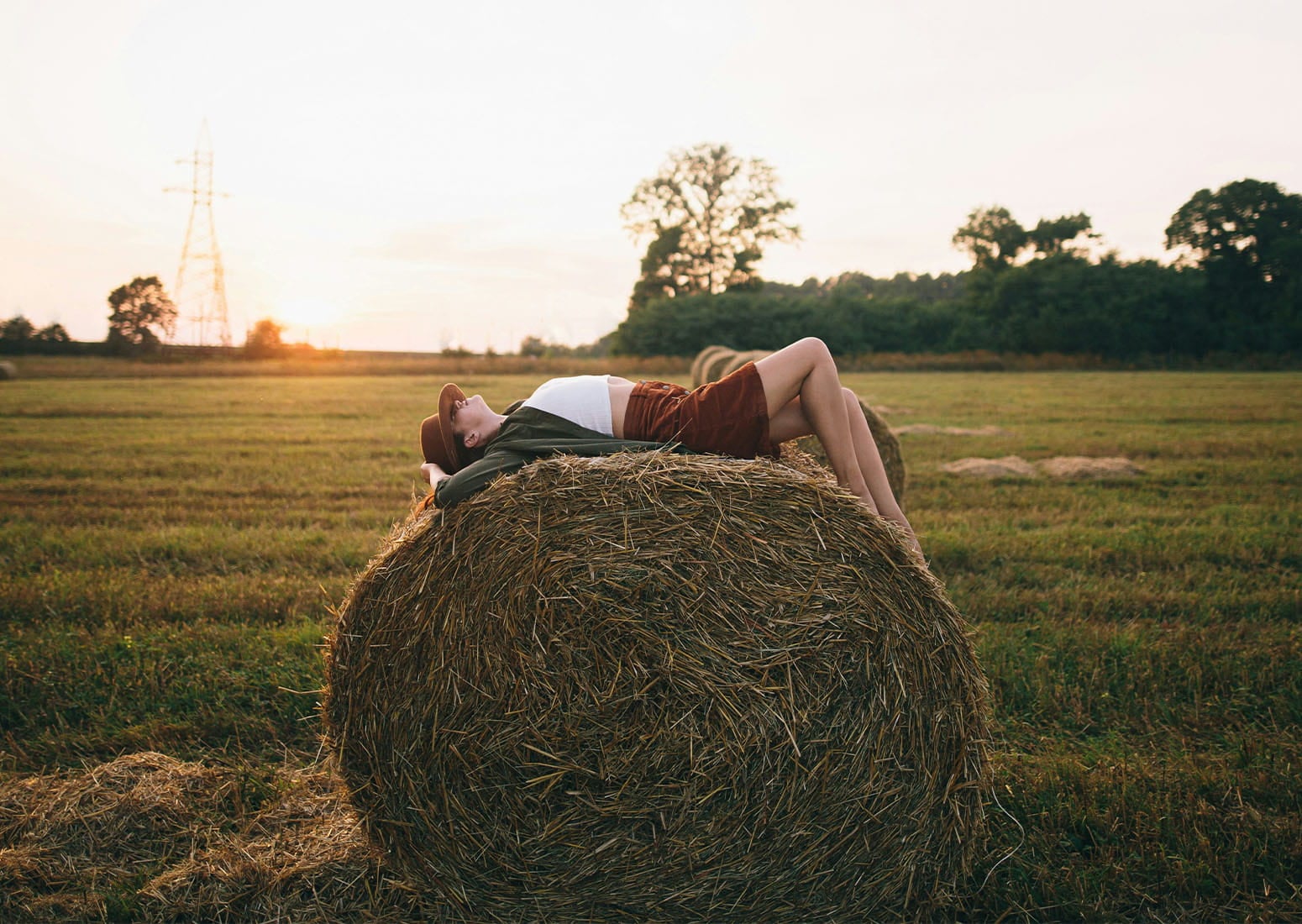



Dr. John La Puma’s Indoor Epidemic explores how adding more outdoor time can make a healthy difference in your life.
Here’s what is realistic: You’re already spending 93% of your time indoors, anyway. That means the 7% you do venture outside needs to work like medicine. The core truth of this book is that real, measurable health is found in micro- doses and micro-practices that work immediately.
That’s the heart of the 7% Outdoor Rx, which we often refer to as The 7% Solution. Just five minutes in green space measurably boosts mood, and fifteen minutes of early sun resets your entire biological clock. Every walk to your car becomes a potential nature dose.
Every outdoor lunch break becomes an opportunity to enjoy the pleasures and benefits of nature therapy. Every moment of walking the dog becomes a way to connect. I will teach you to turn those scattered outdoor minutes into concentrated healing.
You might think this sounds impossible: city life, work, family, and little free time. Maybe you’re caring for someone or stuck indoors all day. This book is written for you. Whether you get outside 7% or 0.7% of your day, it meets you where you are.
This isn’t about quitting your job or escaping to the woods. It’s about using the nature around you: street trees, a park bench, even a view of the sky as tools for health. The methods here work anywhere because they’re based on human biology. You already have what you need to start.
This is your invitation to reclaim focus, energy, and well-being. You already spend time outdoors: nearly 12 hours a week, in small bits. The goal isn’t to add more hours, but to turn those scattered moments into true Outdoor Rx. Quality matters more than quantity.
Every bit counts. A greener path — one lined with trees instead of asphalt — can lower your risk of death by about 4%. A simple choice like walking down a leafy street can improve your health and longevity.
Nature exposure works the same way. The line is sharp. Below 120 minutes a week, the body shows no measurable benefit. None. Once you cross that line, the improvements jump. People report a 59% higher chance of feeling in good health and a 23% boost in well-being. [see previous note re style]
Q: What first pulled you down the path of rethinking how indoor life affects how we sleep, feel and age?
A: I started seeing a pattern in my clinic that didn’t match the textbooks. Patients had fragmented sleep, rising blood sugar, inflammatory markers creeping up. But the labs said they were doing everything right. What didn’t show up is where people were spending the most time: inside. With artificial light suppressing melatonin by 80%, stale air cutting cognitive performance by 15% and dim days that never set their body clocks, I realized my patients were fighting their environments. We’d created environments that trigger biological stress signals 93% of the time. I wanted to offer a prescription for the 7% that remains.
Q: Why did stepping outdoors become the idea you felt most compelled to share with the world right now?
A: It became clear to me that where we spend most of our time is not how our biology evolved at a cellular level. The WHO sets 120 minutes weekly in nature as a global health guideline. That’s where mortality risk drops, glucose control improves and inflammation decreases. From Scotland to Japan, doctors are writing nature prescriptions because the data is clear. And here’s the revelation: You don’t need wilderness. Urban trees lower death risk by 4%. A sky view during lunch protects your body clock. The prescription works with bus stops and pocket parks.
Q: Writing this book, did your own habits change? What’s one small outdoor ritual you now protect fiercely in your own day?
A: Morning light became essential to my routine. It’s the anchor that sets every system downstream. I go outside every morning. I aim for 300 minutes weekly outdoors, where you hit peak longevity benefit, and I do it in several different ways: pickleball, dog walking, gardening, farming, hiking. Every transition from indoors to outside is now a microdose opportunity. Walking to the car, lunch breaks, the commute home. Your environment is biological infrastructure, whether you live in a city or on a farm.
Q: Complete the sentence: I am ____. This is My City, My Life!
A: I am someone who believes you already have everything you need. Your streets, your parks, your balcony basil, your morning sky. I am on a mission to prove that reclaiming your 7% isn’t about privilege or escape. It’s about recognizing that those scattered outdoor minutes are medicine. This is My City, My Life!
EXCERPT BY DR. JOHN LA PUMA