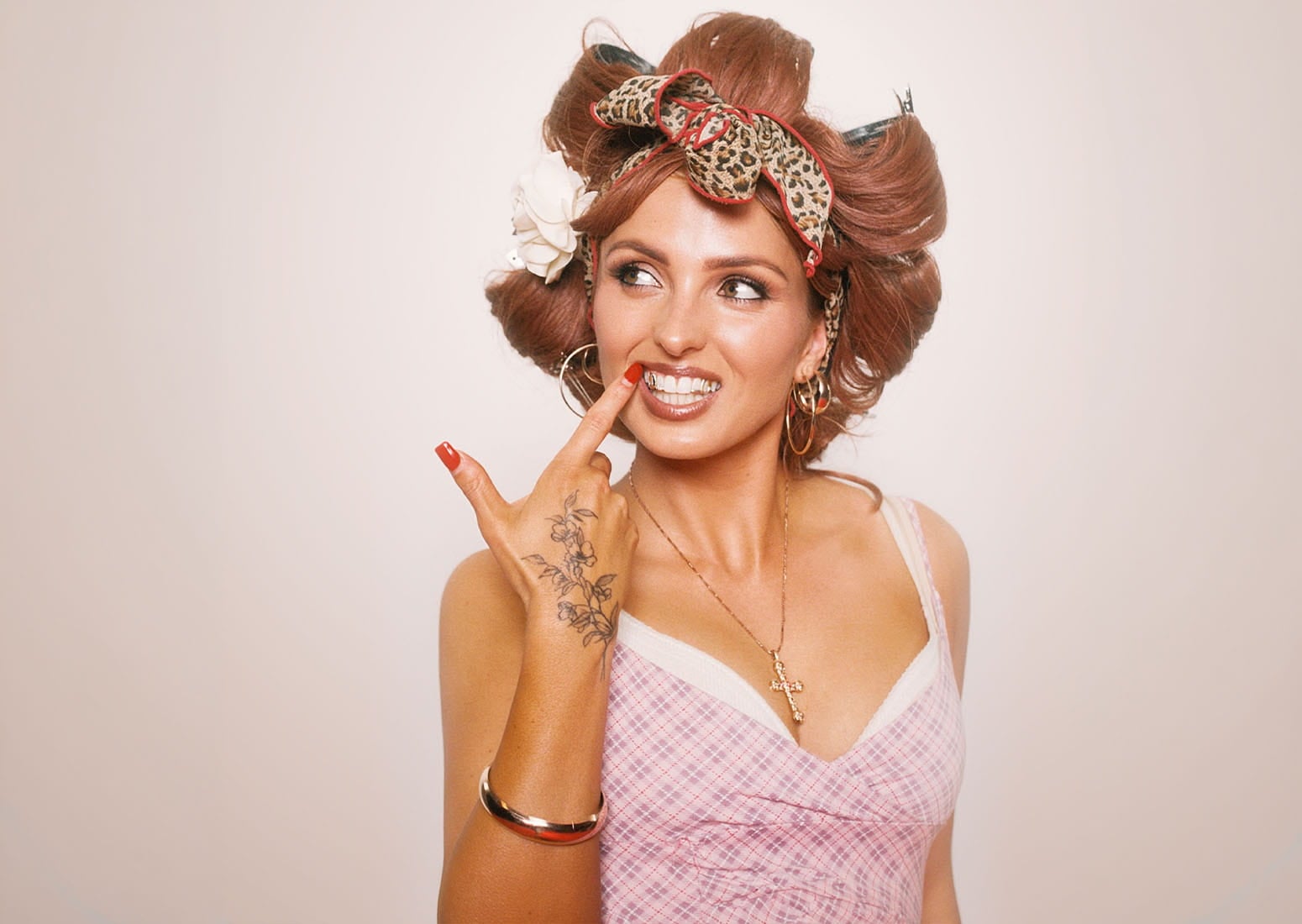
American singer-songwriter KELS shares her journey, her inspirations and how she is turning her dreams into reality — one song at a time.
When I first started following independent powerhouse KELS, I instantly became a massive fan of her grit, courage and undeniable vocal talent. KELS is a Pittsburgh-bred artist who has spent years quietly building an empire on her own terms. She famously took matters into her own hands in 2023, packing her bags for a gruelling, self-driven 53-show tour.
Along the way, she did whatever it took to keep her dream alive — including cleaning houses — sacrificing stability to create an intensely loyal, grassroots community of fans who literally funded her journey city by city.
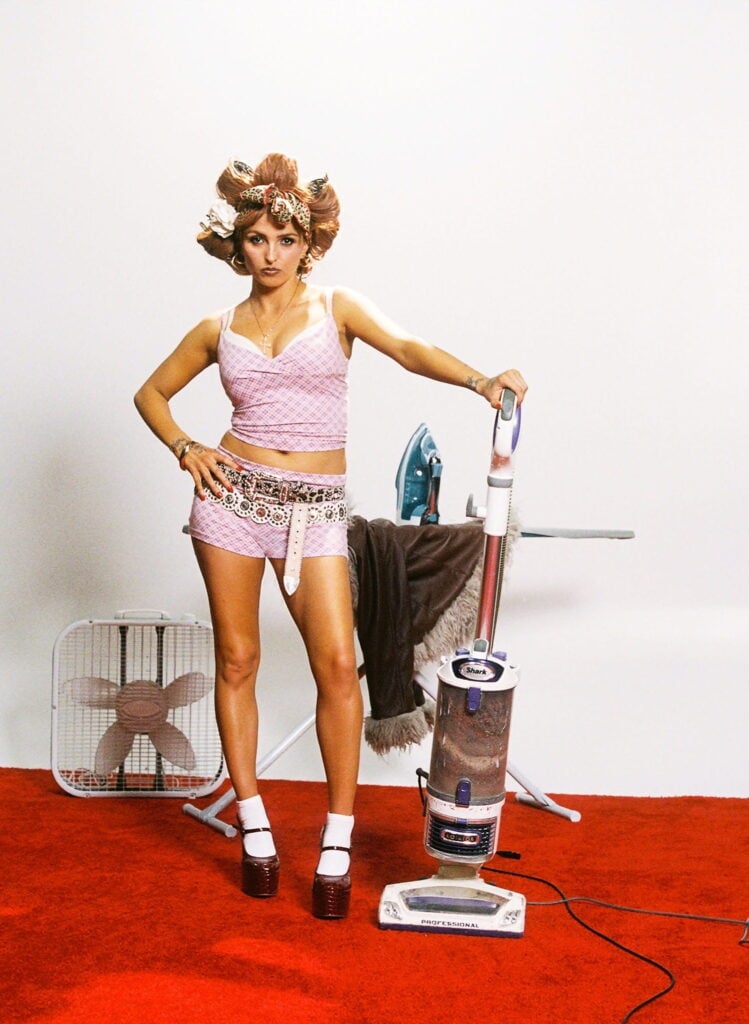
In this conversation with City Life Magazine, she reflects on the mindset required to survive the long, slow hustle of the music business. She openly shares how her parents coped with their natural fears for her stability from the days when they watched her perform in front of just four people to seeing crowds finally shout her lyrics back to her. KELS also addresses the heavy burden of being crowned the successor of a generation-defining star like Amy Winehouse, citing their common foundational love for the same jazz icons.
It is neither the billboards and red carpets nor the fame and fortune that drive the American singer-songwriter. She is inspired only by the pursuit of making a difference and telling stories that resonate with people.
Q: Please share a bit about your childhood, growing up and music.
A: Both my parents were in the military; my mom was in the Army, and my dad was a Navy SEAL, so we moved around a lot. I was born on a military base in Landstuhl, Germany, and then I was probably 2 or 3 when we moved to Texas. Then we were back in Europe for a while and then, finally, by the time I was six, I was in Pittsburgh — that’s where my mom’s family is from.
A lot of my early music was inspired by the nostalgic city of Pittsburgh. It’s a steel town — so a lot of blue- collar work — and just that imagery in general kind of inspired my early work. But I’ve been going to Georgia since I was 8 years old. My dad’s mom is from Augusta, Georgia. A lot of the stories that I would hear growing up and a lot of the scenery there inspires my newer stuff.
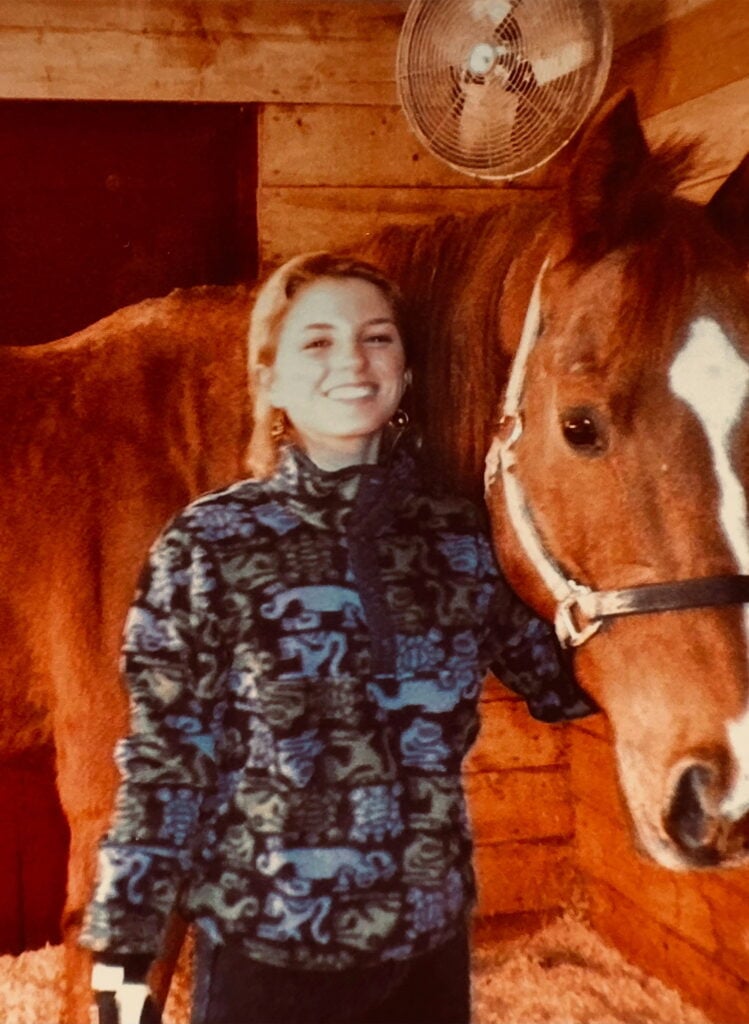
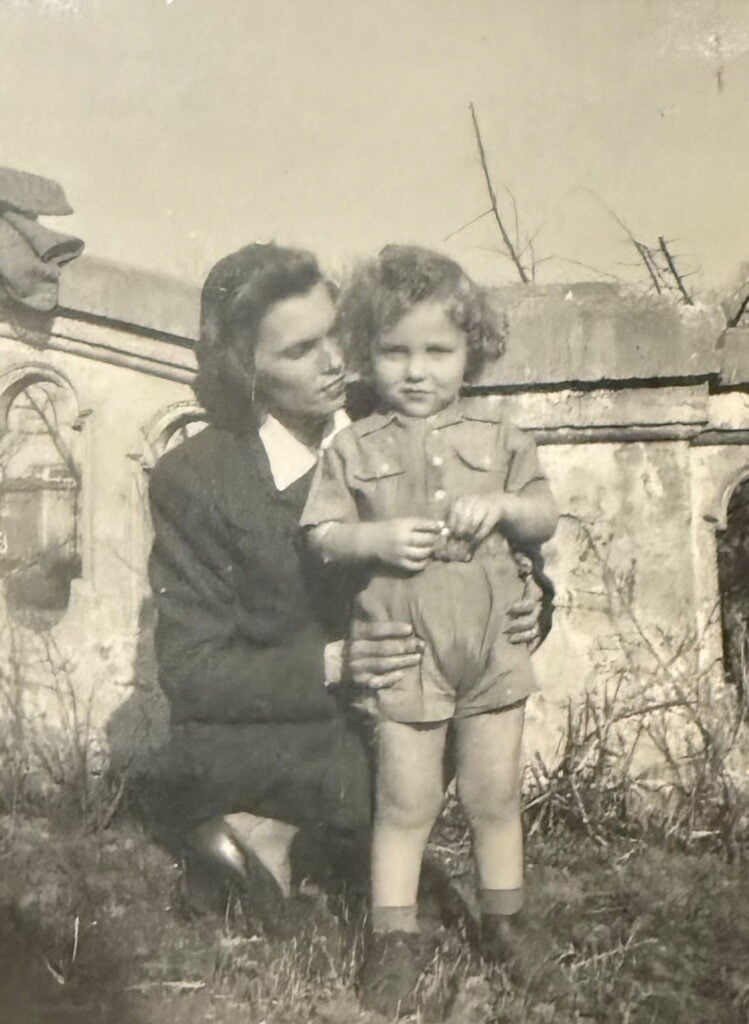
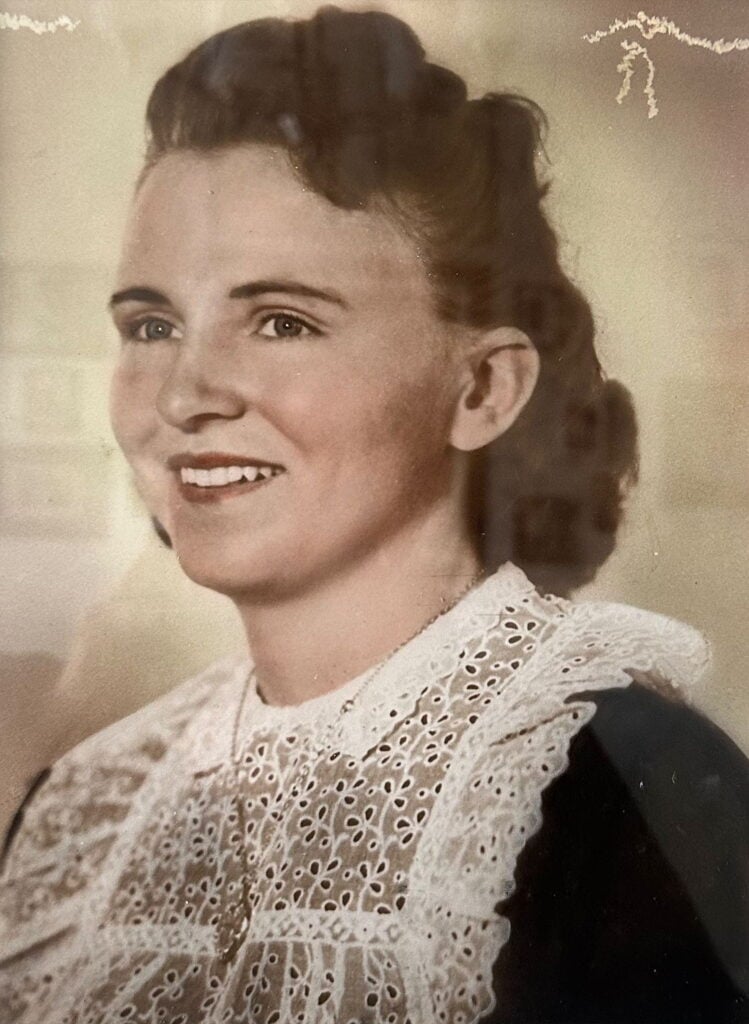
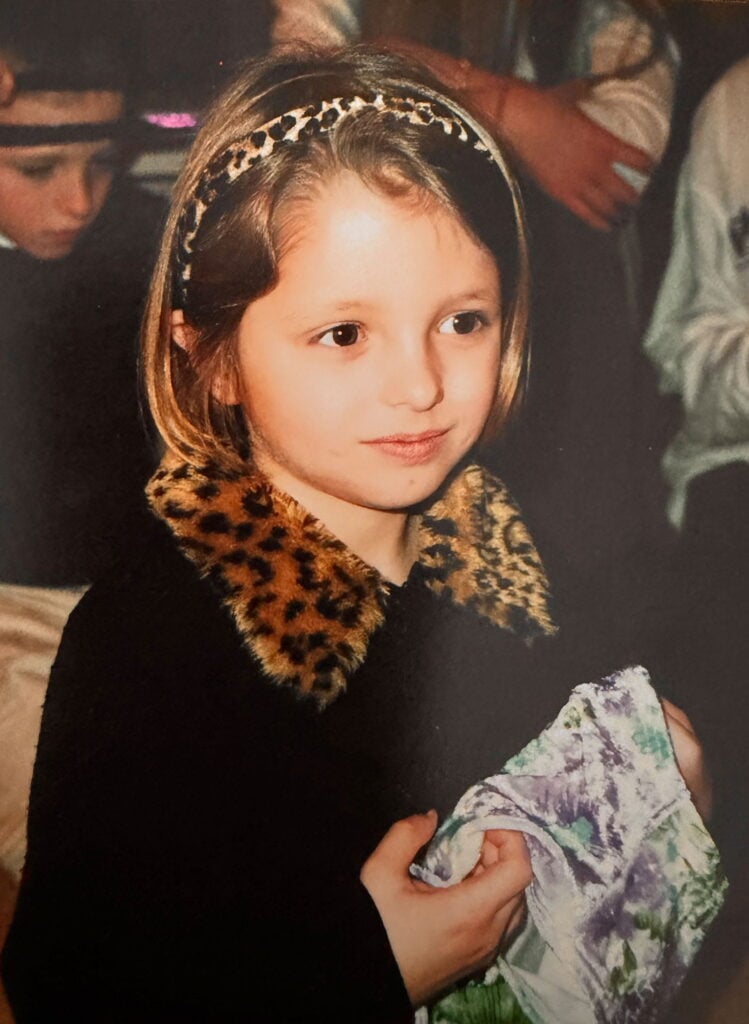
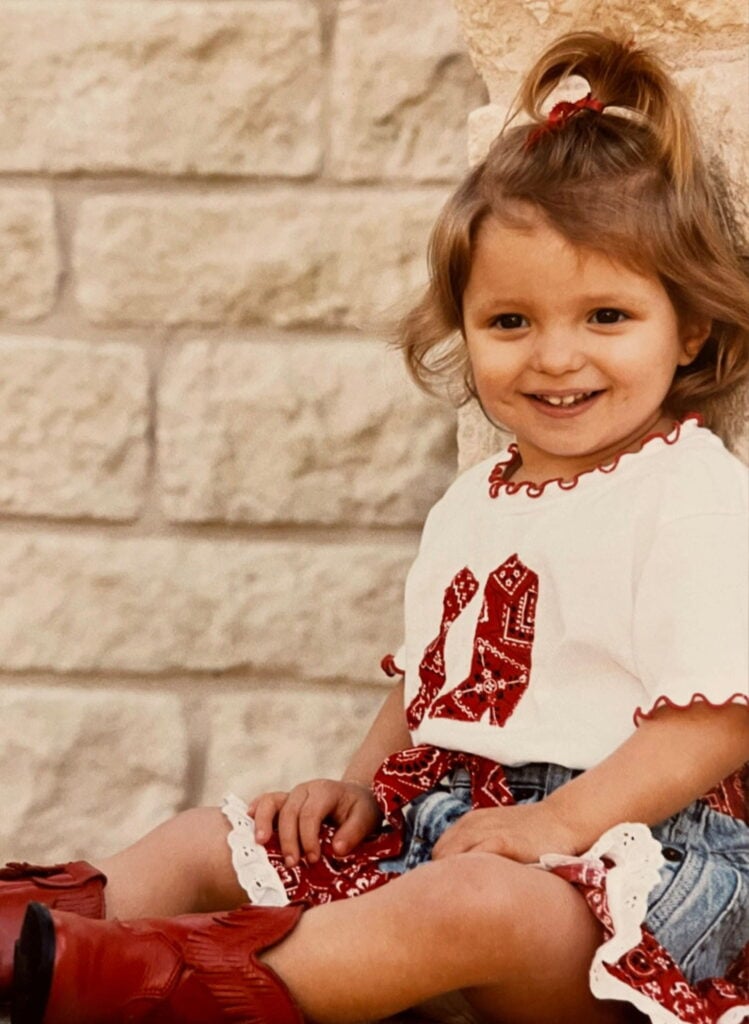
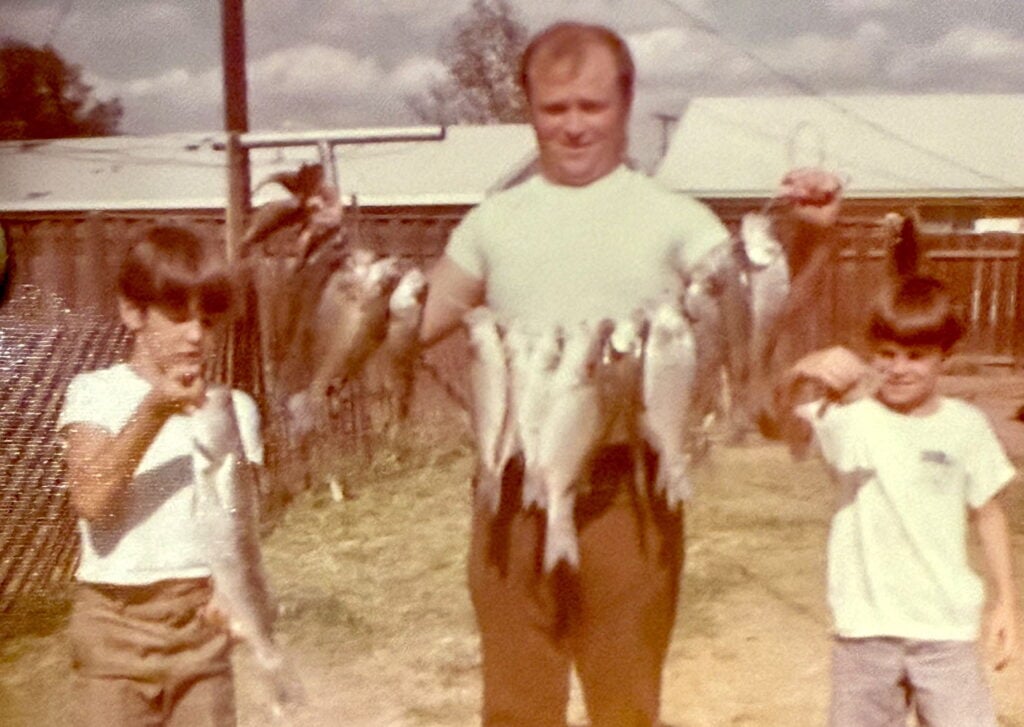
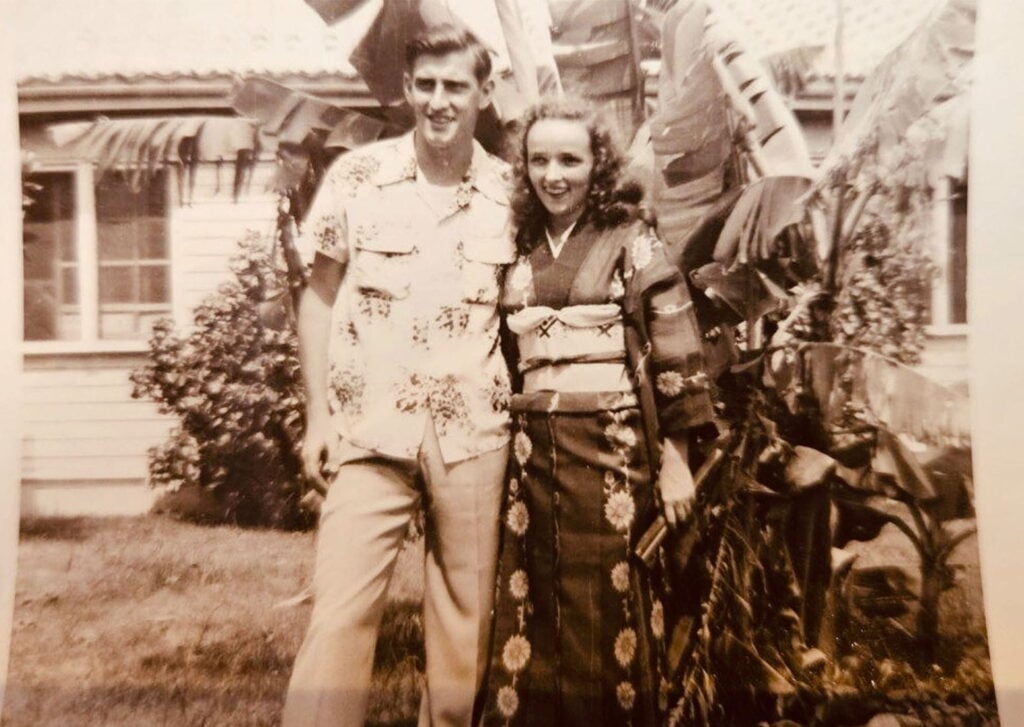
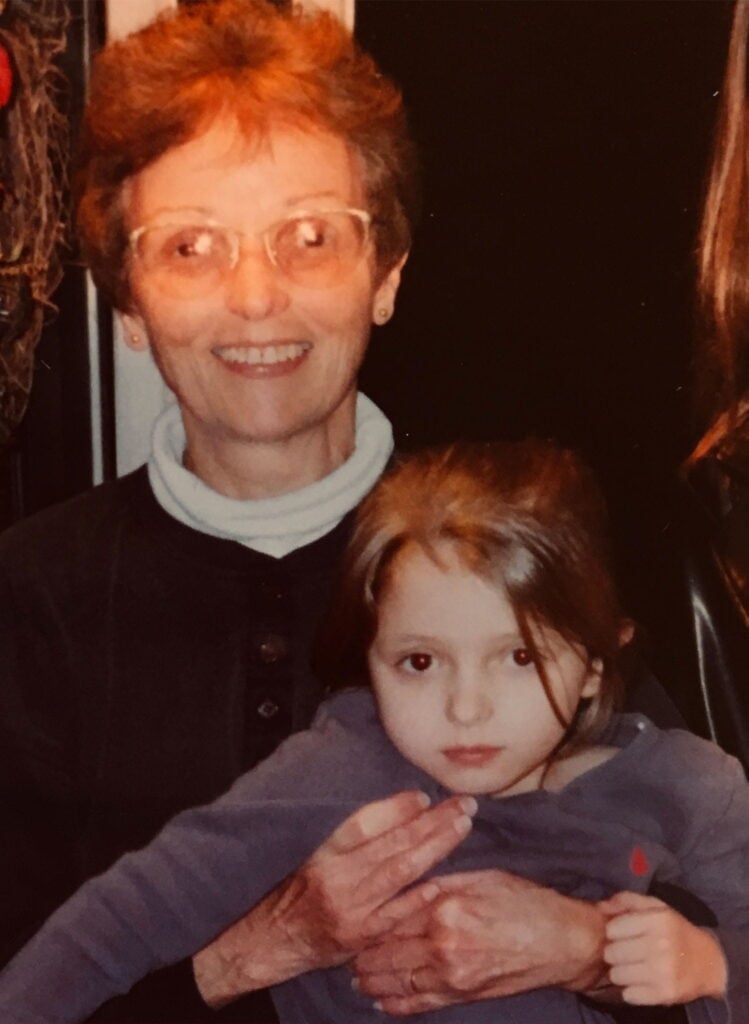
A glimpse into KELS’ family album — childhood moments, familiar faces and treasured memories from before the spotlight. | Photos Courtesy of KELS
“You’ll get burnt out pretty quickly if everything you do you think will be your next big break. I think that kind of mentality can really slow you down.”
Q: How did your family react to you wanting to be an artist?
A: Both of my parents just wanted stability. I think my dad was very nervous about the rejection that is inevitable in the business. My mom was also skeptical of how long it would take. I would get these calls from my parents after a gig and when they’d know that there were four people there they’d be, like, “How long are you going to keep holding out for this?”
They were obviously nervous because I was just by myself out there, cleaning people’s houses, a single woman doing that. I knew it would work out, but they didn’t see the day-to-day successes that I would see online.
Once I went on my first tour, I just packed everything up in 2023 and left for 53 shows. They started coming to the shows and seeing that people knew my songs and were really excited about me, even though I was very small at the time.
I had 9,000 followers, but they could tell that people were recognizing my work and talent even without the hype. I think as I started touring is when they really started to realize that “she’s going to do this no matter how we feel about it.”
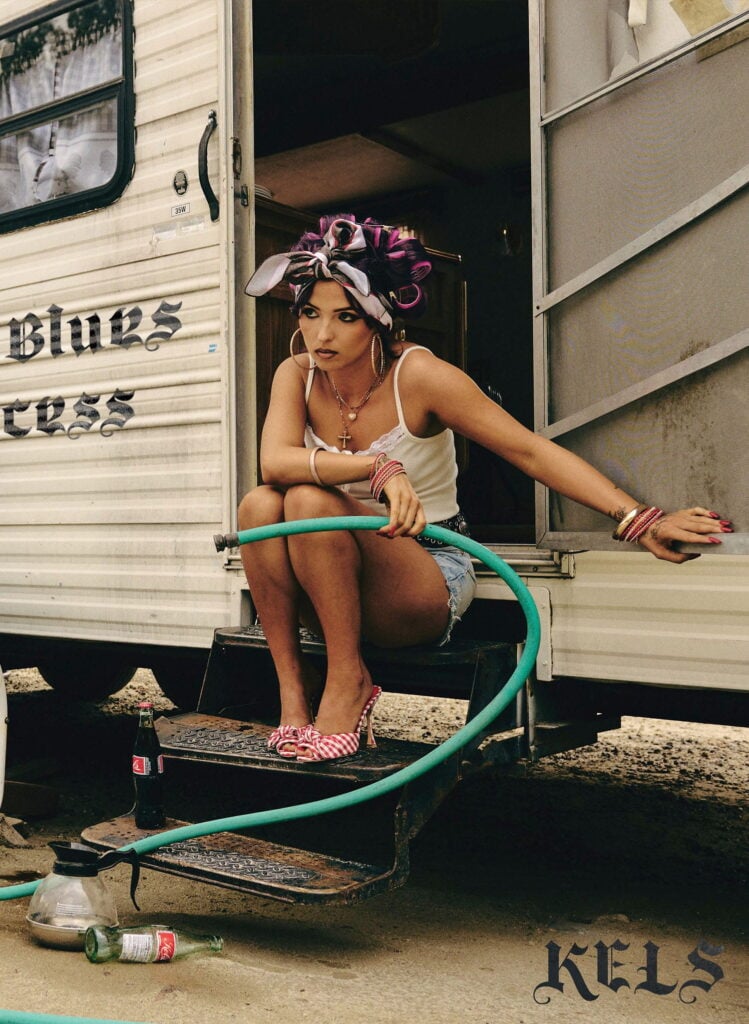
Q: Where did the inspiration for the name of your record, Dirty Blues Princess, come from?
A: When I put the first single, “Gone,” out, I didn’t actually know I was going to put out a project with it. I had been sharing that online for at least six months, and I wasn’t really seeing the audience come to the song the way that I had hoped.
The feedback I had always gotten from playlist curators was, “We don’t know where to put your music.” So, I kept connecting with different terms because it’s not pop, it’s not jazz, it’s not straight blues, it’s not R&B. It’s just whatever it is, so I just started saying “dirty blues” because it’s not straight blues.
“Princess” was added because I was just trying to claim my spot. No one was really using social media in that way to market themselves without a label. I saw a lot of guerrilla marketing, but it was a lot of label teams, and audiences can tell when the artist isn’t the one putting in the work and posting it.
Q: How important is it for you to create music that resonates with people?
A: I’m not a studio artist. I write all my music, I co-produce all my music, but I don’t enjoy just living in the studio and writing songs and not actually being able to perform them for people to have those experiences. The only reason I do it is for either somebody to feel like I’m singing about something that already happened to them and it’s helping them know that they are not the only one, or they hate it. I don’t really care because I think great art polarizes people. I would be very disappointed if I were to share something, and it didn’t get extreme reactions. I think all great art gets extreme reactions.
“I want my legacy to be my storytelling. I feel like that’s gotten lost in music today especially with just how often artists are expected to be putting out music and projects.”
Q: How do you feel about comparisons with Amy Winehouse?
A: The Amy Winehouse comparisons, I think, come a lot from both me and Amy being into the same jazz singers growing up. She talked a lot about listening to Billie Holiday, Sarah Vaughan, Ella Fitzgerald. She also started kind of in a similar way that I did, with a foundation in jazz.
But she was an amazing artist, and she was really who put jazz on the map on pop radio, so I’m definitely never upset when people compare me or want to talk about similarities with an artist who shaped a generation.
Q: What has the journey taught you about pursuing your dreams?
A: You have to be okay with however long it’s going to take whenever you decide that you want to do something like this. You’ll get burnt out pretty quickly if everything you do you think will be your next big break. I think that kind of mentality can really slow you down. So when I decided that I was going to really do this, I was a jazz singer, singing in bars and speakeasies, which was great, but it wasn’t the full-time artistic career that I wanted.
You can’t really think of everything being a big deal, everything being your next moment, because I think that false hope can really burn an artist out. It’s not short and easy, especially since nobody in my family was in the business. I’m the first in my family to have ever even tried, so nobody was giving me a road map or anything.
Q: What do you want your legacy one day to be?
A: I want my legacy to be my storytelling. I feel like that’s gotten lost in music today, especially with just how often artists are expected to be putting out music and projects. I don’t hear an emphasis on that anymore and that’s something that I really learned from growing up with country music. That’s something that I appreciated so much about Dolly Parton, that she really instilled, is the storytelling of the songs that you put out — because she put out hits but you can find all of them. I want to be a storyteller for people and just help them get through whatever life shows them.
Q: What ties you to a city, and what makes you a good citizen of the city or of the world?
A: I would say the food scene ties me to the city. I care about where I’m eating and what I’m eating, and I love small restaurants, so I’m always looking for a hole-in-the-wall family business and mom-and-pop places.
I really try to inform myself about what I’m consuming, especially at small businesses. That’s just a really big passion of mine. So, when I go to cities or travel, I’m constantly looking for places that are owned by legacy families. I would say “shopping small” really counts — and more than ever, I think, because cities are growing so fast. It always hurts me to just see a huge shopping centre with the same thing just being built over and over again. I love the originality of the small businesses that make each city.