



A city enriched by its diversity, Vaughan has been strengthened by embracing its cultures and nationalities.
According to the Oxford English Dictionary, “diversity” is defined as “the practice or quality of including or involving people from a range of different social and ethnic backgrounds and of different genders, sexual orientations, etc.”
With its seismic growth in both population and ethnicity, the City of Vaughan exemplifies this description.
Established in 1792 by Lieutenant Governor John Graves Simcoe and named after British peace negotiator Benjamin Vaughan, Vaughan is located on the traditional territory of the Huron-Wendat and Haudenosaunee peoples and its first European settlers were Pennsylvania German and British immigrants. A rural farming area that evolved into a bustling hub encompassing the communities of Woodbridge, Concord, Maple, Kleinburg, and Thornhill, Vaughan became a city in 1991, the first in York Region.
And while it was initially built on its agriculture and milling competencies, the area, which in 1800 was home to just 54 people, shifted from its rural roots as it experienced rapid growth and welcomed a host of other ethnic cultures.
According to the City of Vaughan – Commercial Land Use Review, 2010, “In 2006 the majority of Vaughan’s residents identified themselves as Italian (38%), with the greatest concentration located in the Woodbridge area. There is also a large Jewish community concentrated in Thornhill. Although these two ethnic groups currently represent more than 50% of Vaughan’s population, their dominance is decreasing. Since 2001 significant increases have been seen in the East Indian, Asian and Russian populations. Although not yet in the top five, the Asian population, in terms of total numbers, is not far behind the East Indian and Russian communities in Vaughan. This changing consumer dynamic will likely have an influence, not only on the types of goods being demanded, but possibly on the retail formats in which it is developed.”
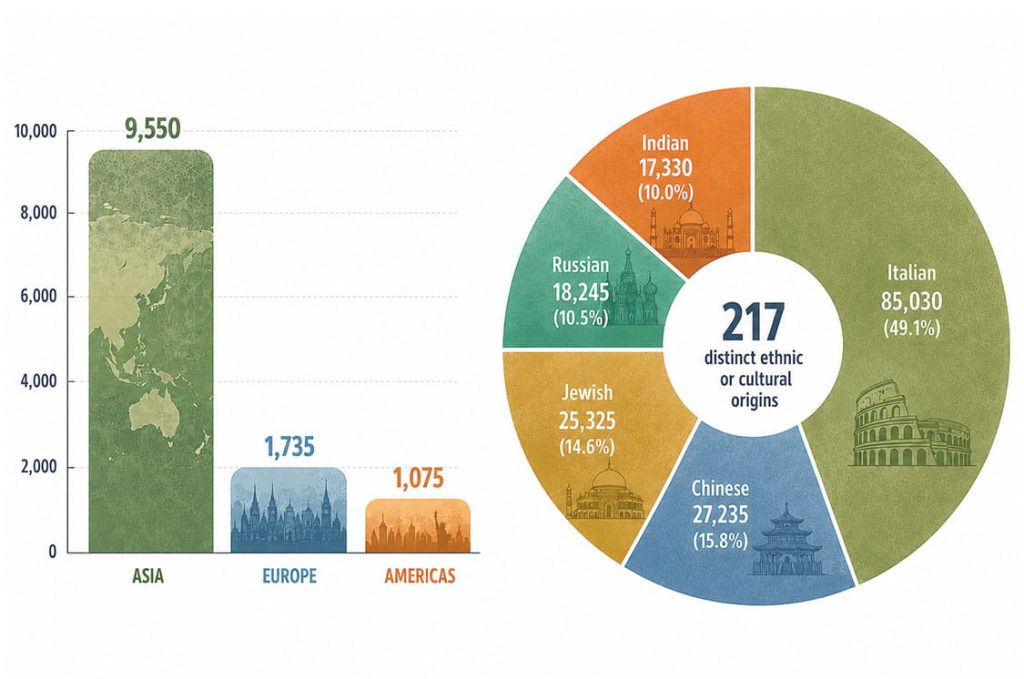
The most recent 2021 Canadian census data reports Vaughan’s population to be 323,103, an increase of 13,030 people since 2016, which represents a growth of 5.5 per cent, a significant increase. What is both interesting and impactful is that Vaughan’s demographic now comprises people who trace their origins from 217 distinct ethnic or cultural groups. In 2021, Vaughan’s top five ethnic or cultural origins were Italian (85,030), Chinese (27,235), Jewish (25,325), Russian (18,245), and Indian (17,330). Recent immigrants to Vaughan have arrived predominantly from Asia (9,550), Europe (1,735), and the Americas (1,075).
Of course, one critical aspect of these significant shifts in cultural mores is to understand the impacts of these changes on the long-established residents of Vaughan, many of whom are of Italian and English descent.
Patricia Vani, a third-generation Italian Canadian whose family has been in Canada for close to 150 years, has lived in Vaughan for the past 43 years, from a time when it was predominantly Italian interspersed with English residents.
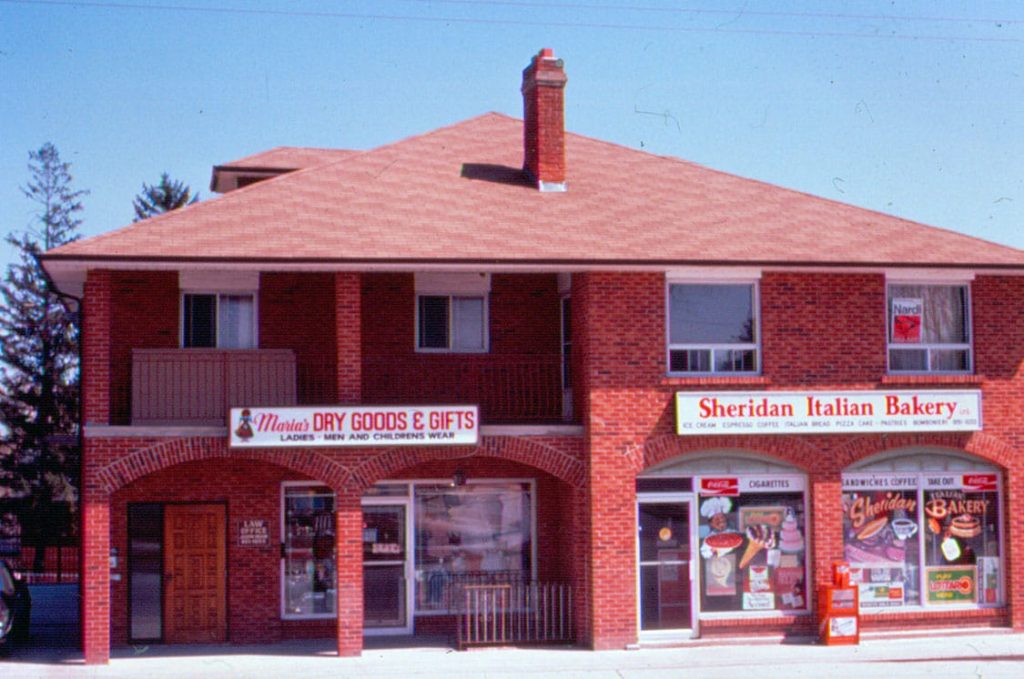
“I moved here in the 1980s, when a lot of people still spoke Italian,” Vani says. “It was hard for me as a Canadian Italian. The grocery stores that were here initially were either Italian or catered to the Italian culture. I would go into a store and they would speak Italian and I would have to ask them to speak English. It was many years before there was something other than Italian-centric grocery stores. Even some of the signage at the time was in Italian and English, which was unusual — places like Shoppers Drug Mart and some of the banks.”
When Vani first moved to Woodbridge it was predominantly white Anglo-Saxon Protestant. When Italians started moving into the community there was some unease and a feeling that it was out of residents’ control as to how things would roll out.
“The perception of Woodbridge several years ago was that it was a wealthy community. It was a beautiful place physically with a lot of open space,” Vani says. “As Italians began to buy up the land and build housing developments, a major shift in housing availability occurred as more multi- family structures were built. There might have been some resentment and jealousy around that. People aren’t comfortable with fast change and it happened so quickly. The sheer influx of numbers could have been uncomfortable for people living here; they might have felt threatened that their way of life had changed.”
However, Vani says, with the substantial changes Vaughan has experienced, and with the current Italian population being second- and third-generation, things certainly are not the way they used to be.
“Language is no longer an issue,” Vani says. “And with the Italian base being second-generation the [Italian]-centric-focused culture is not as relevant. The emphasis is more about heritage than anything else. I believe these changes are for the good. I don’t think it’s a good idea to have such a huge population of one ethnic group in a city. It’s better to be diverse.”
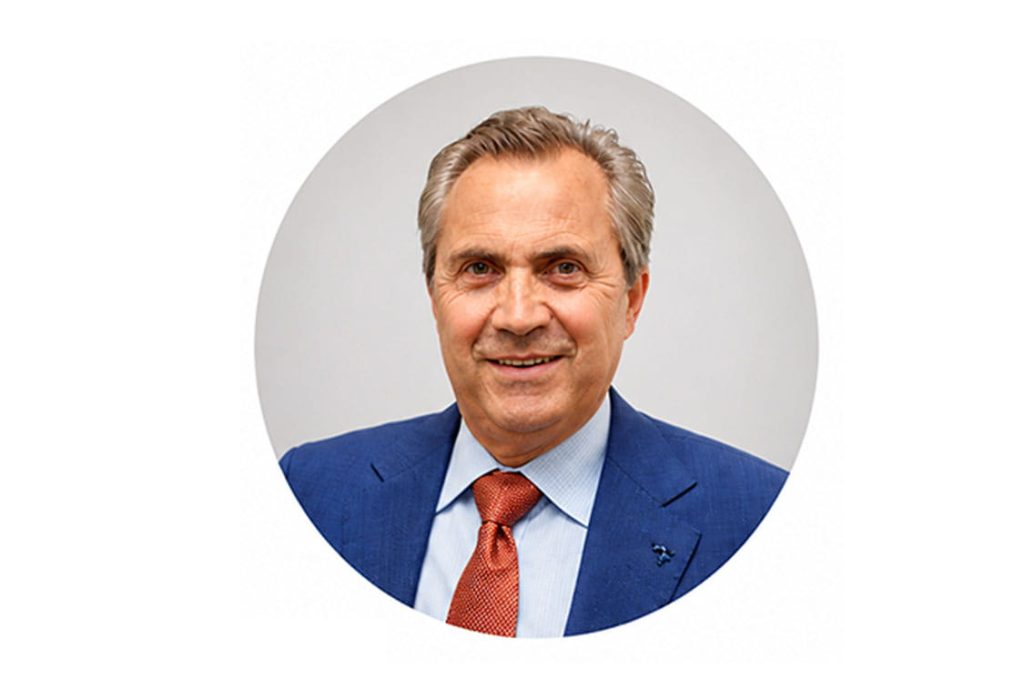
Nick Marinelli established his business, Nima Kitchens, on the southern border of Vaughan 47 years ago and has lived in Woodbridge for over 45 years. “When we bought the property for the business on the north side of Steeles near Keele, it was just an open field. Now there are hundreds of stores here,” Marinelli says. “When we first moved to Vaughan we lived in Old Woodbridge, where the descendants of the original settlers lived. The only grocery stores near us were Pirri’s and Weston Produce, both serving the Italian community primarily. I never went to a regular grocery store.”
Marinelli noticed the shift in the cultural hue of the Woodbridge area he lives in when he began to see representations of Pakistani, Indian and Middle Eastern cultures in areas that were previously dominated by Italians. As far the transition goes, Marinelli says he hasn’t seen any difficulties. “Italians like to keep a nice clean front yard and I’ve noticed that this sets a positive example for new people moving into the community follow the example of the broader community,” he says. “I think it’s nice to familiarize and appreciate different cultures. I don’t mind it at all.”
Which is not to say that the bonds with fellow community members who do not share the same background are as strong as those who share the same culture. “Vaughan Italians are historically accustomed to being around other Italians, and it’s still a tight-knit community,” Marinelli says. “That said, the growing diversity in social and business circles alike has been positive for us.”
It is a sentiment that Vani shares. “Vaughan hosts a lot of Italian clubs that have strong memberships, comprised of people from different areas of Italy,” she says “Italians are tied to their own communities. As such, Italians from Vaughan have a closer affinity to Italians from Toronto versus Italians having those same kinds of ties to ethnic nationalities in Vaughan.”
When Michelle Zerillo-Sosa and her brother Fernando Zerillo published the first issue of the magazine they founded in 1996, originally titled La DOLCE Vita Magazine, it was published in both Italian and English. “As first-generation Italians, we wanted to preserve our heritage, which inspired the bilingual format,” Zerillo- Sosa says.
The siblings loved the pride the Vaughan community had in its Italian heritage. “At the time, it was clear that Italians were the majority, evident throughout the streets and shopping centre of Woodbridge,” Zerillo says. However, after the first year, the Zerillos realized that publishing in Italian was a challenge.
“The second and third generations often spoke dialect at home rather than proper Italian and generally did not read the language,” Zerillo says. “Moving away from Italian was a difficult decision, but we had to acknowledge that the readership in Vaughan was not predominantly literate in Italian. Continuing the bilingual format would have limited our reach.”
Without a doubt the landscape has changed over these past many years. “Local staples – from family doctors and supermarkets to fashion stores and the clergy – have morphed into a multicultural hub. While there is a sense of nostalgia, people have embraced the new diversity that defines the Vaughan of today,” says Zerillo-Sosa.
“While There Is A Sense Of Nostalgia, People Have Embraced The New Diversity That Defines The Vaughan Of Today.” – Michelle Zerillo-Sosa
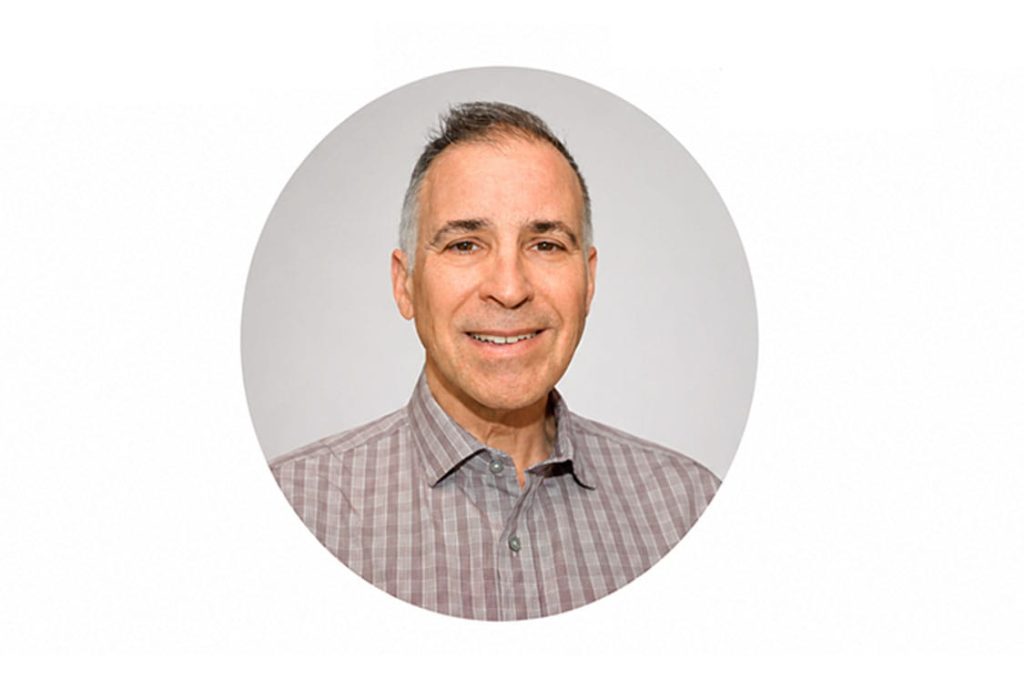
And so, while we might be living in harmony together as we live apart, why is it so important to embrace diversity, or at least understand and appreciate one another’s cultures? “It’s about equity not equality, about creating a level playing field,” says Robert A. Kenedy, Associate Professor & Chair, Department of Sociology, York University. “But the unfortunate fact is that there’s often a lot of window-dressing around diversity, about not really engaging in the practice. When you’re looking at a pool of candidates, you want to make sure that everyone is included. You want to ensure there’s an equitable opportunity for succeeding and not leaving anyone behind. I think the goal is to undo many of the mistakes we made in the past of not getting the right people. If you think about diversity in terms of sports, for instance Jackie Robinson, who broke the colour barrier when he became the first African-American to play in Major League Baseball in 1947, we need to ensure that the people who have the best skills are represented, regardless of their skin colour or their ethnic roots. We need to balance situations and opportunities so that everyone is included.”
And while it is interesting to look at how the people who have been ensconced in a community feel about what seems like sudden shifts in their neighbourhood, even though some of these changes have taken years and sometimes decades to evolve, it is also intriguing to consider how newcomers from other countries feel about their new home.
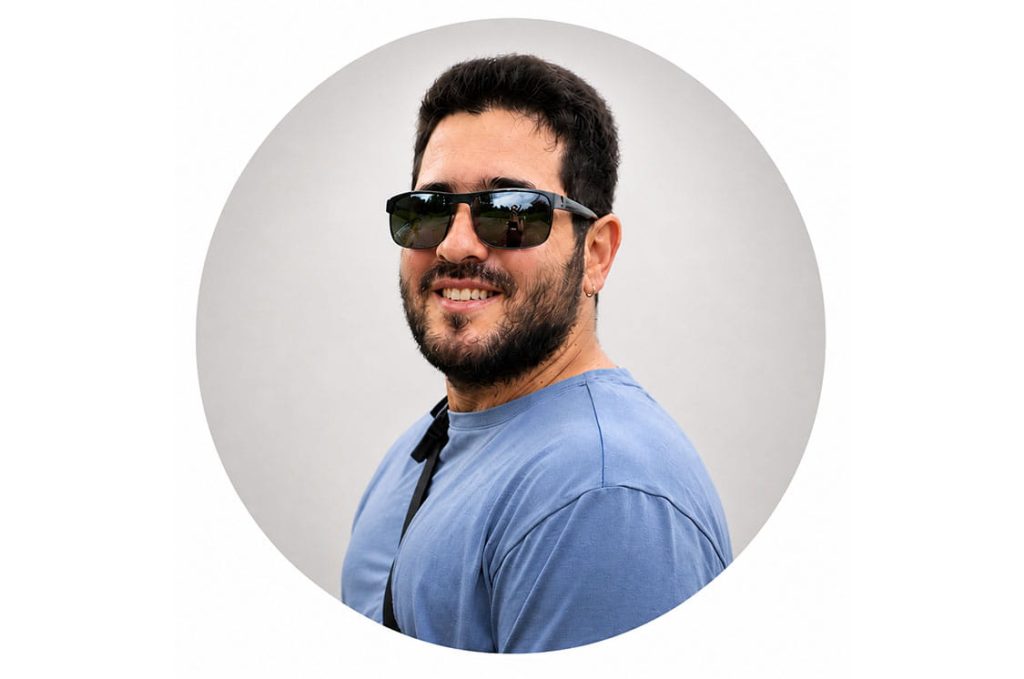
Daniel, who immigrated from Lebanon with his wife two and a half years ago, has lived in Vaughan, first in Maple and now in Woodbridge, since he came to Canada.
“We’ve found everyone here is very friendly and kind. People try to help and guide us. We’re surrounded by good people. We feel very welcome, no bad vibes or discrimination,” Daniel says. In fact, Daniel was surprised to find some Lebanese restaurants in the Vaughan area and also that he can procure food similar to what he’s familiar with both in the city’s Iranian stores as well as in some of the local grocery chains.
“We found Canada to be very diverse,” Daniel says. “Most of the grocery stores have Mediterranean food options, which is quite different from where my sister lives in the United States. She has to travel for hours to find stores with Mediterranean choices.”
While Daniel finds people in Canada are welcoming, he says that they also keep more to themselves than Lebanese people do. “Canadians are private and take more time to open up to you. I understand that, though, because there are a lot of cultures here and Canadians want to know a person before they start socializing with them,” he says.
Acceptance from a distance, so to speak.
That said, and despite the things he misses about his home country, what Daniel loves and appreciates about living in Canada is the peace of mind he and his wife enjoy free from the threat of politics and war.
“In Canada we can focus on our future, we have routines, we don’t have to worry about politics or wars. Lebanon is a third-world country and the services are scarce,” Daniel says. “I often tell people who live here that they don’t know how lucky they are when they complain about taxes and other things. They don’t think the government does much for them, but they haven’t lived elsewhere to see how bad it is. I believe we are lucky to be living in Canada.”
One of the key concerns that people who are not diversity advocates have is the fear of losing what they consider their Canadian heritage, their roots, and their legacy. The fear is that things will swing too far to the left or the right and the very essence of who we are as Canadians will be lost.
For some it is an overriding concern, one that leaves them suspicious, fearful, anxious, and somewhat disparaging.
“Embracing a host of cultural and ethnic groups allows us to enrich our tapestry. It nurtures an understanding of each other’s backgrounds,” Kenedy says. “The positives of diversity and inclusion are that together there’s strength and learning opportunities. The opportunity to visit a mosque or synagogue is an open door to embracing what other cultures have to offer. You don’t have to live someone else’s cultures or traditions; rather, view it as an opportunity to engage and learn, which in turn enriches us all and makes us stronger. I only see positives in that. If you think of diversity as a metaphor for knitting a blanket, whereby you are continually adding nuances and colour, you’ll realize it is not just about one thread or one colour. Rather, it is about enriching our knowledge of each other and our communities, which makes us all stronger.”
“The Positives Of Diversity And Inclusion Is That Together There’s Strength And Learning Opportunities.” — Robert A. Kenedy
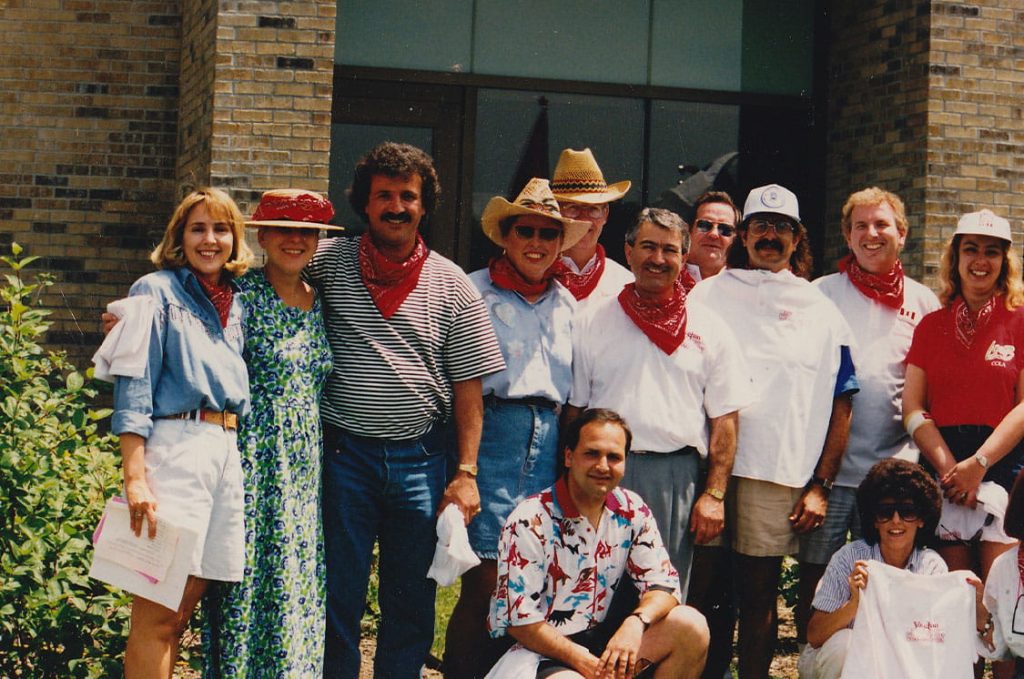
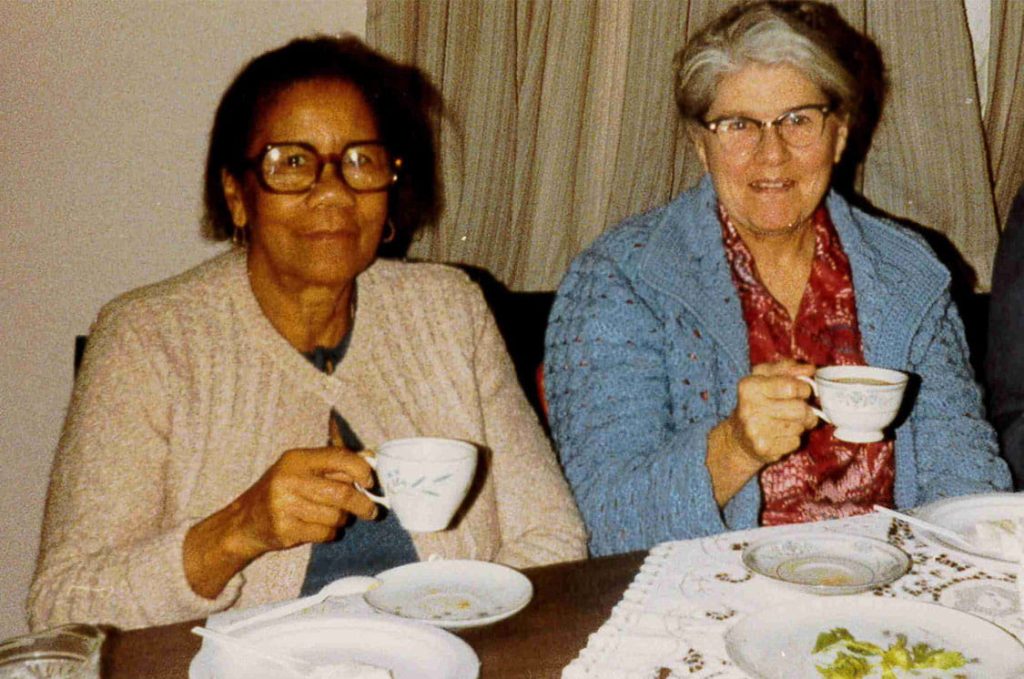
So how do we do that? How do we bring people together in a fun and accepting environment to learn about each other and dispel the myths that are an integral part of the fear around acceptance?
“Sometimes it’s just about getting to know our neighbours — the differences are minimal — we are all pretty much the same. There’s not that many degrees of differences,” says Kenedy.
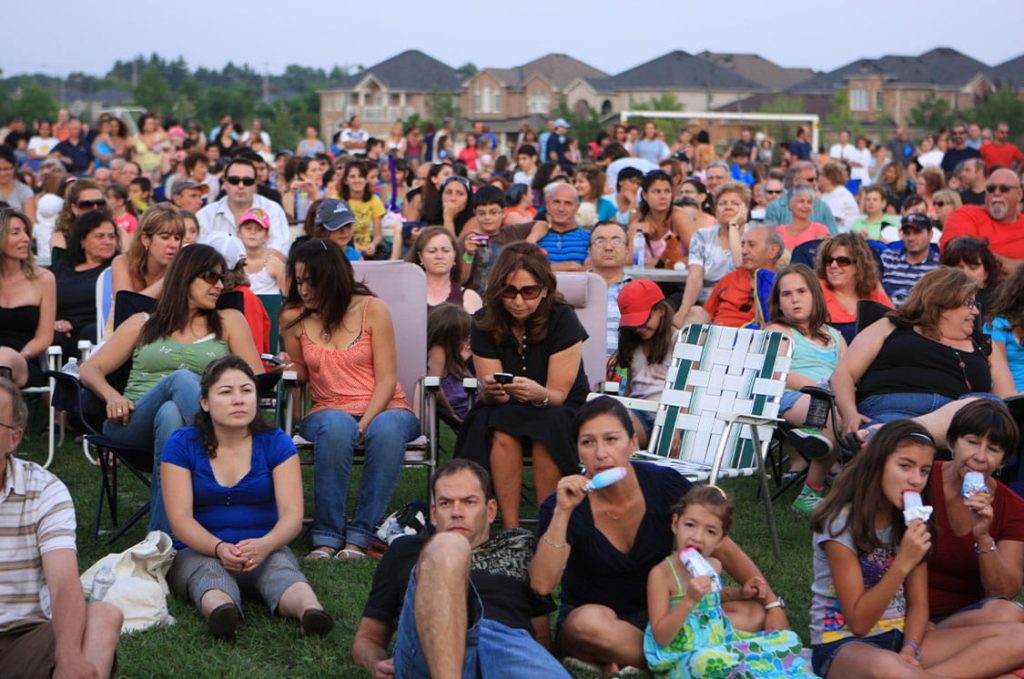
To that end, Vaughan hosts a series of festivals throughout the year that honour and celebrate residents’ nationalities. There’s Tamil Heritage Month in January, Sikh Heritage Month in April, South Asian Heritage Month in May, Festa d’Italia in June, and Hindu Heritage Month in November, to name a few. A menorah- lighting ceremony is hosted by the City in December, and an annual Christmas tree lighting ceremony is held at City Hall.
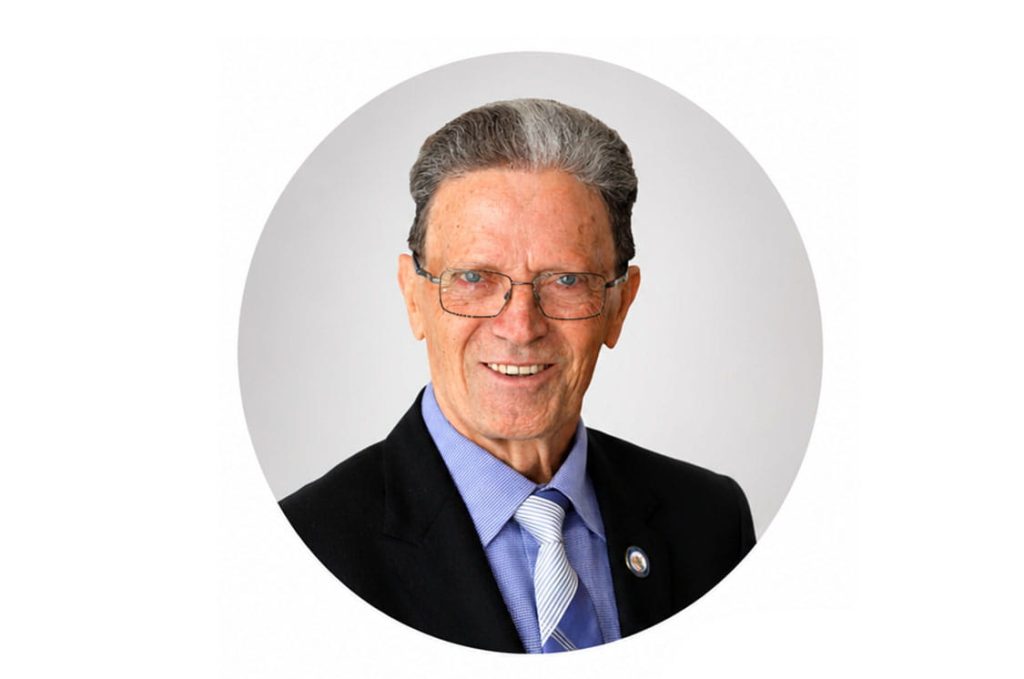
Gino Rosati, Local and Regional Councillor at the City of Vaughan, has been a resident of Vaughan since 1973 and has served in council in different roles since 1989.
“I used to work in a bank before I became a councillor, so working with different communities was not new to me,” Rosati says. “As a councillor I was even more directly involved with the community. And changes in demographics within Vaughan didn’t happen overnight — it was a gradual growth. I was an immigrant so I understand the difficulties.”
Rosati, who says that there are over 100 different languages spoken in Vaughan, estimates that the once Italian-centric community now represents about 25- to 30 per cent of the city’s population.
“And as a part of City Council’s efforts to create a community-first culture, we embrace all nationalities and help them facilitate the usage of community centres and halls as well as outdoor venues so they can hold their own events,” Rosati says. “As well, the City facilitates flag-raising ceremonies at City Hall to raise awareness and mark different countries’ national days and cultures. Our goal is to create an ongoing environment of respect and general acceptance.”
As for holding onto its roots, the Heritage Vaughan organization protects the cultural and architectural values of the Vaughan community. “We name properties after the important people of Vaughan and we celebrate what Vaughan was and what it is now,” Rosati says.
At the end of the day, most of us come from a hyphenated culture and it is these strengths and differences that bind us together as the many faces of Vaughan.
A request to interview Mayor Steven Del Duca of the City of Vaughan for this story was made, but due to scheduling conflicts he was unavailable to participate.