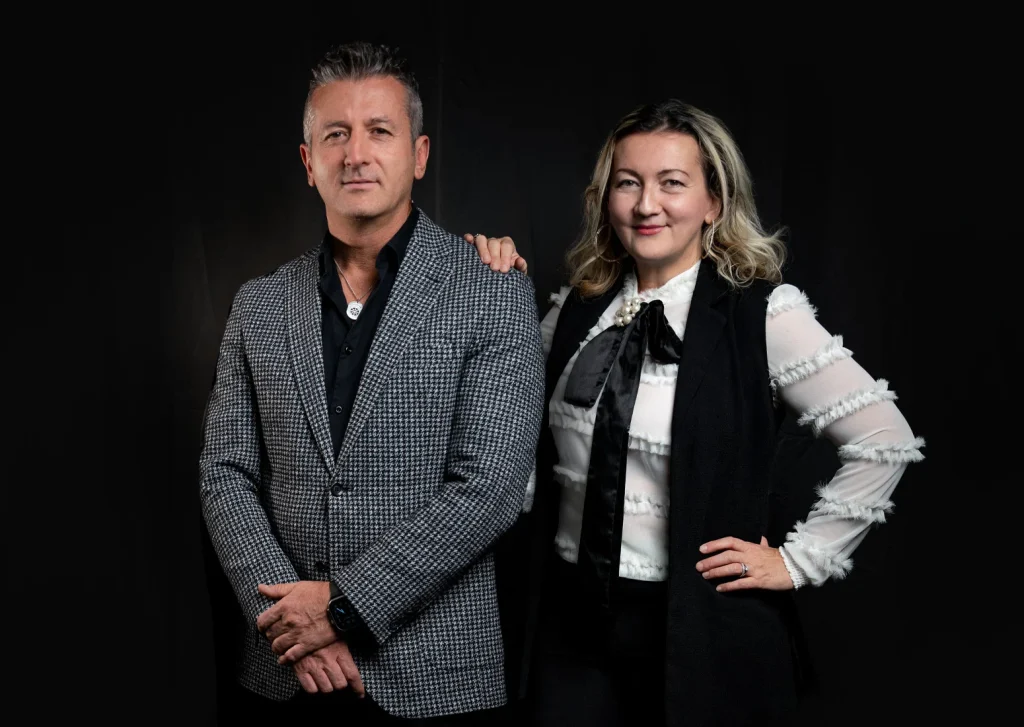






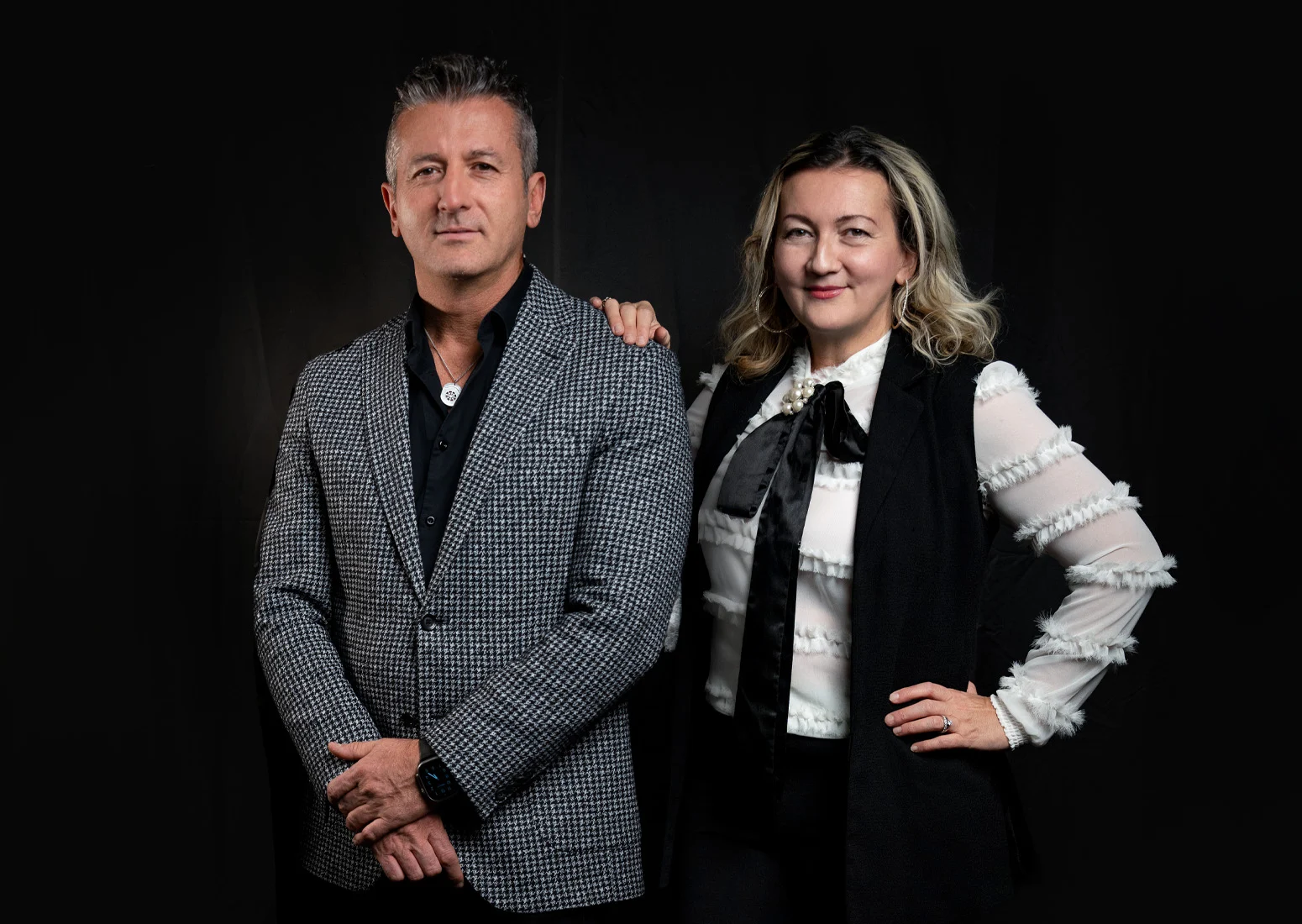
We, Fernando and Michelle, were both young students when we first moved from Italy to Vaughan (Maple, to be exact). This was back in 1987, when the only grocery store was an IGA, the local bakery was Maple Bakery (still going strong today!) and when Major Mackenzie Drive cut through nothing but farmland and a small plane-airport. Of course now it’s a major artery to Maple’s thriving downtown.
To have been able to witness the changes both in the landscape and in the community has been a blessing, but also leaves us feeling a bit melancholy.
You would see kids playing outside until dark. No cell phones to be distracted by or provide instant information — people would have to wait to read a newspaper to see what movies would be released that weekend. No selfies, but you could take Polaroid photos of your friends, cool for the instant gratification they provided when snapped at a party.
And what can we say about the community? Like many other first-generation immigrants, we moved where we knew there was a high concentration of fellow Italians, and Woodbridge or Maple were the natural choices. We were so happy to be living in a predominantly Italian community because that brought us a sense of security and comfort we so needed as newcomers.
It is comforting to hear a familiar language and be around familiar customs and traditions as you try to make a new home in a new country. Canada was so fast and so different for us — such open spaces, such a harsh climate, a strange language, strange fashions, cars like big boats, and foods (like ketchup) that took some time to acquire a taste for.
Fast forward nine years, and with our first edition of La Dolce Vita (est.1996, and what is now Dolce Magazine) we had the desire to marry our Italian heritage with our coverage of the local lifestyle. Our idea was to publish a bilingual magazine, one that was in both Italian and English.
“A true community is not just about being geographically close to someone or part of the same social web network. Itʼs about feeling connected and responsible for what happens.”
– Yehuda Berg
This publishing model only lasted a few editions, unfortunately, for we soon realized that second- and third-generation Italian Canadians did not speak Italian, and that the city was becoming the welcoming home to other ethnic communities: Jewish, Eastern European, South and East Asian, Russian and more … so we made the conscious decision to switch, and began publishing just in English.
Change is inevitable. We have to embrace it. The key to a community that lives in harmony with its many ethnicities is to approach it as a patchwork quilt, sewing together its various small bits of fabric, each unique and colourful and warm in its own right, into a larger tapestry.
Everyone wants to live in a warm, human, and approachable community. Let’s do our best to make this happen. Learning about someone’s else’s culture does not rob you of your own cultural heritage or identity — allow yourself to get to know your neighbour.
Take the example of artist James Paterson, creator of the Prayer Machine sculptures among many other intricate works. His work is mesmerizing thanks to the colourful wire gures that intertwine and work together in sync to create movement. He has called them Prayer Machines because this is what his internal dialogue with God would look like. Story on page 32.
We hope you enjoy this latest issue of City Life Magazine.
And remember to look at the diverse life in our city as an ongoing and marvellous creation, full of vitality and colour, like the pieced-together fabrics of a warm patchwork blanket or the moving art James Paterson makes with his intricate wire creations.